Irrigation Start-Up: Pro Walkthrough for Better Coverage and Fewer Repairs
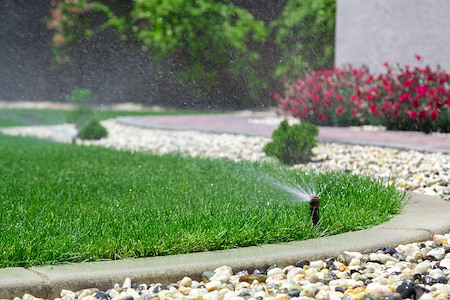
When spring arrives, an irrigation start-up is the switch that turns your landscape from survival mode to steady growth. The goal is simple: better coverage, healthier turf, and fewer mid-season surprises. With Fralich's Landscape, you get a methodical process built to find problems before they cost you time or plants. If you want your system checked as part of a dependable plan, our team handles the entire visit through our irrigation maintenance program so your yard is ready for the season.
Why Irrigation Start-Up Matters After Winter
Winter is tough on pipes, seals, and electronics. Even if you winterized last fall, cold snaps can shift soil, loosen fittings, and trap debris in heads and valves. A professional spring start-up does more than turn the water on. It verifies that pressure, coverage, and scheduling all support the way your yard grows at the start of the season.
Older neighborhoods often have mixed sprinkler brands and varying pipe depths. Newer subdivisions may have high static pressure that needs careful adjustment. No matter your setup, a thorough evaluation in spring protects plants as temperatures swing and rainfall patterns change.
What a Pro Looks For During the First Pressurization
A careful first pressurization prevents stress on the system. Rather than opening the valve all at once, a technician restores water slowly to protect the backflow preventer, mainline, and valves. From there, the check moves station by station to confirm performance under real conditions.
Here is what is typically reviewed during the initial run-up:
- Backflow preventer and shutoff valves for signs of freezing or vibration damage
- Mainline pressurization and pressure reading at key points
- Zone activation order to reduce pressure spikes and nuisance alarms
- Nozzle type and matched precipitation so zones water evenly
Do not run the system when soil is still saturated or frozen. A pro checks conditions first to avoid damage to turf and underground components.
Zone Check And Coverage Audit
The heart of sprinkler start-up steps is the zone check. Each zone is observed for spray pattern, head height, and consistency. Heads can tilt or sink over winter, which causes gaps and overwatering. A coverage audit looks for uneven overlap and fine-tunes arc and radius so water lands where plants can use it.
During this stage, the technician flags common issues such as clogged nozzles, mismatched heads, and overspray on hardscapes. Small changes here pay off all season. Small leaks add up and can waste hundreds of gallons before you notice a wet spot. Fixing these early improves pressure and extends component life.
Smarter Controller Settings That Match The Season
Controller settings are often left on summer mode year-round. That leads to soggy soil in spring and stress in early heat waves. A pro resets start times, watering days, and run lengths to match plant needs and seasonal weather. If your controller supports seasonal adjust or weather-based features, they are calibrated so you do not have to keep tinkering.
Expect recommendations like shorter, more frequent cycles for new plantings and longer, deeper watering for established turf. Sensor checks are also part of the visit. A working rain or soil sensor pauses watering when nature already did the job. Document controller settings before changes so you have a baseline if power blips or battery backups fail.
Common Issues Found During Start-Up And How Pros Fix Them
Most spring problems are small, but catching them now avoids bigger repairs later. Here are issues a technician may uncover and how they are addressed during irrigation maintenance:
- Seeping or stuck valves that cause zones to run when they should be off. The fix is cleaning or replacing diaphragms and seals, then retesting.
- Leaking fittings or cracked swing joints around heads. These are replaced and backfilled correctly to keep heads at the right height.
- Low head drainage that leaves puddles after a cycle. Check valves or anti-drain heads are added where needed.
- Mismatched nozzles causing striping. Heads are re-nozzled to match precipitation so coverage evens out.
- Pressure that is too high, misting away water. Pressure regulation is added at the valve or head to keep droplets the right size.
Each correction is verified on the spot. That way your system leaves start-up day running cleanly and predictably.
Timing Your Appointment And What Homeowners Can Expect
Seasonal timing varies by region, but most homes benefit from start-up once the risk of hard frost passes and soil temperatures begin to rise. Early season checks give you time to fix what winter changed before turf and shrubs are under heat stress. Appointments usually include access to the controller, the backflow area, and valve boxes. Pets should be secured so gates can be opened and closed safely.
On a typical visit, the pro will walk the property with you to hear any concerns from last season. If you noticed a dry corner, excessive runoff, or a broken head from snow removal, point those out at the beginning. That helps prioritize the zone check and coverage audit. If you prefer a plan that keeps everything on schedule, our team can include seasonal visits and mid-summer performance checks through our irrigation start-up and maintenance service.
Spring temperatures bounce around. A last cold snap after a warm spell can still damage unprotected parts. Ask your technician to confirm freeze protection and proper shutoff location in case temperatures drop again.
How Pros Balance Plant Health And Water Use
A good start-up does not just pass or fail your system. It sets you up for healthier plants with less waste. Pros look at exposure, slope, and soil texture. Shady areas may need far less water than full-sun beds. Clay soils hold water longer than sandy soils. Your controller schedule and zone run times are tuned to these differences so every gallon counts.
If your property has both spray and rotor zones, run lengths are balanced by precipitation rate so each area receives roughly the same depth of water. Where drip irrigation feeds beds, filters and pressure regulators are checked and flushed. This keeps emitters performing and helps mulch do its job without crusting.
Backflow, Valves, And Safety Checks You Should Expect
Backflow devices protect your drinking water, so they merit extra care. A pro inspects for winter cracking, listens for chattering, and confirms the shutoff handles operate smoothly. Valve boxes are cleared of roots or soil that can pinch wires and tubing. Any exposed wiring is re-insulated and neatly routed to reduce future service calls.
Pressure matters for both performance and safety. Too much pressure mists water into the wind. Too little starves the farthest heads and leads to dry spots. Regulators and pressure-compensating components bring the system into the sweet spot so coverage is even and predictable.
Controller Features Worth Using After Start-Up
Many modern controllers include helpful features that go unused. Seasonal adjust lets you dial the entire schedule up or down by percentage. Cycle-and-soak breaks long run times into short intervals that reduce runoff on compacted or sloped soil. Some controllers also accept sensor inputs that pause watering when soil moisture is high.
If you want a simple plan, your technician can set conservative early-season times and show you the percentage adjustment to increase as temperatures rise. That way the system keeps pace with the weather without needing a complete rewrite of every zone.
Signs Your System Needs Attention Before Summer
Between start-up and peak season, watch for a few red flags. Gurgling sounds at the backflow, spongy turf near valve boxes, and misting at heads all point to issues that deserve a service call. Sudden changes in water bills are also a clue. A quick follow-up visit now is easier than a mid-July emergency.
If you are new to your home, keep a simple map of zones and note any plant changes. This helps future service visits stay efficient, especially when beds are redesigned or hardscapes are added.
Protecting Your Investment With Ongoing Irrigation Maintenance
A single spring start-up is a strong beginning, but irrigation maintenance over the season protects that investment. Mid-season performance checks catch filter clogging and arc drift. A fall winterization visit prevents freeze damage and sets the stage for a painless spring the next year. If you want a plan that removes the guesswork, connect with our irrigation maintenance pros at Fralich's Landscape and keep your system performing from spring through fall.
What Makes A Pro Walkthrough Different
Consistency and documentation separate a pro walkthrough from a quick once-over. Your technician records pressure readings, notes head adjustments, and saves controller settings. Photos or zone notes help track changes year to year. This creates a living history for your system so decisions are based on facts, not guesswork.
Homeowners appreciate that this approach prevents surprises. When the first heat wave shows up, the system is already tuned for coverage. Beds stay hydrated, turf fills in, and hardscapes stay dry because overspray was corrected in the spring.
Schedule With Confidence
Start-up slots can fill quickly once the weather breaks. Booking early helps you avoid watering restrictions or plant stress caused by a late tune-up. If you manage rental or commercial space, aligning irrigation service with other spring tasks keeps crews moving and properties looking their best.
For reliable irrigation start-up and better coverage, schedule your inspection with Fralich's Landscape today.